
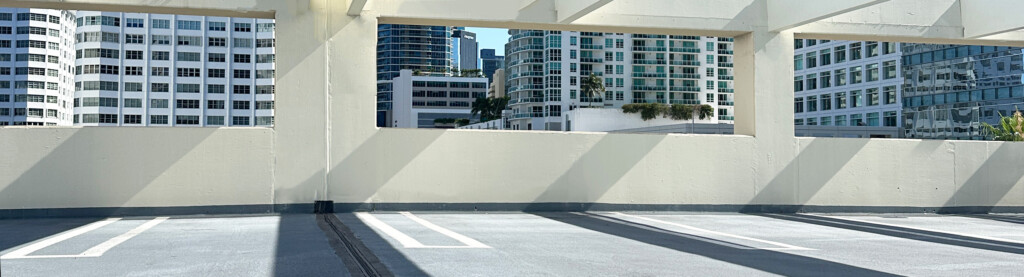
Tailored Expansion Joint Solutions™ for Restoration & Renovation.
Designing for Restoration
Expansion joints are crucial to maintaining the integrity, safety, and functionality of buildings over time. These engineered separations are designed to absorb the natural movement of structures caused by environmental conditions, usage loads, material behavior, and foundation shifts. Whether restoring existing joints or integrating them into buildings for the first time, proactive management of expansion joints is essential to long-term structural performance.
A properly restored expansion joint restores the building’s ability to accommodate movement and environmental forces. Key benefits include:
- Reestablished Waterproofing: Prevents leaks, mold, and structural deterioration.
- Improved Safety: Eliminates tripping hazards and structural stress concentrations.
- Durability and Performance: Extends the life of adjacent materials and finishes.
- Cost Savings: Mitigates the need for major structural or envelope overhauls.
Restoration typically includes removal of failed joint materials, substrate preparation, and installation of new joint systems compatible with the building’s movement profile and environmental exposure.
Adding Expansion Joints During Building Restoration
In some restoration projects, the need for expansion joints emerges only after decades of service—particularly in older buildings that were constructed without adequate consideration for thermal movement or as new requirements emerge over time.
Retrofitting expansion joints into such buildings can be essential for long-term preservation and performance. This process typically involves:
- Structural Analysis: Identifying zones where stress concentrations or cracks indicate movement-related damage.
- Strategic Placement: Designing joint locations that accommodate anticipated movement without compromising structural load paths.
- Cut-In Installation: Saw-cutting or coring new joint openings through slabs, walls, or roofs, followed by installation of appropriate joint systems (e.g., watertight elastomeric seals, fire-rated joints, seismic systems).
- Aesthetic Integration: Selecting finishes and covers that align with the building’s appearance and use case.
This kind of intervention not only resolves current damage but also prevents future deterioration, making the structure more resilient and adaptable to environmental forces.