
Tailored Technology Solutions™ for Airports.
Designing an Airport Facility?
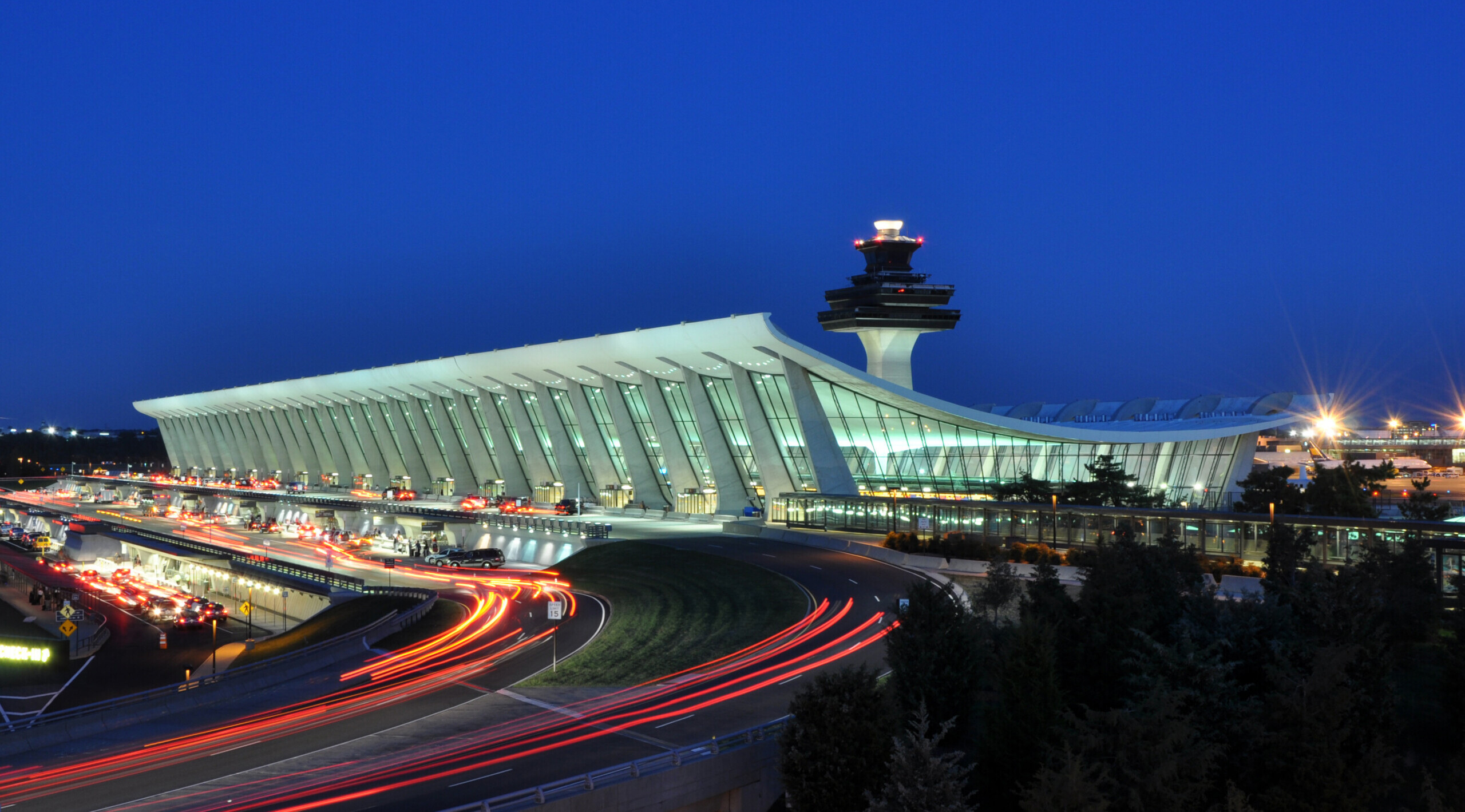
Airport dynamics are always in motion. From passengers rushing to catch flights to the movement of luggage carts and vehicles, every part of the airport needs to be built to handle the constant activity. The expansion joints are no exception.
We’ve considered the full range of airport-specific environmental factors in the design and integration of expansion joints. Airports are dynamic environments subject to a unique set of operational demands. Expansion joints in these settings must address both structural and user-centered priorities, including:
- Heavy traffic loads, including:
- Constant pedestrian foot traffic
- Rolling luggage, baggage carts, and trolleys
- Service and maintenance vehicles
- ADA compliance to ensure accessible, barrier-free mobility across terminal transitions
- Seismic movement accommodation for facilities located in earthquake-prone zones
- Fire resistance to meet safety and building code requirements
- Long-term durability to withstand continuous use and environmental stressors
- Aesthetic integration to maintain the architectural design and visual appeal of terminals
Each of these factors plays a critical role in ensuring the performance, safety, and aesthetic quality of expansion joints within airport terminal environments. When designed and installed with these priorities in mind, expansion joints contribute significantly to:
- Passenger experience by offering smooth, safe, and visually cohesive transitions throughout the terminal
- Operational efficiency by minimizing maintenance and downtime
Tarmac Efficiency
Tarmacs are another critical area where expansion joints play a critical role. These large, open spaces experience significant temperature fluctuations, a variety of weather conditions, heavy vehicle traffic from aircraft and ground support vehicles, and depending on the area, seismic ground movement. Expansion joints in tarmacs are specifically designed to accommodate the shifting of materials in order to minimize cracking and damage. Their durability ensures that these joints continue to perform under the extreme conditions of supporting both safety and operational efficiency for the entire airport.